You Won’t Believe What I Found in Reykjavik’s Art Scene
Reykjavik isn’t just lava fields and hot springs—it’s a living canvas. I went looking for culture and stumbled into a world of street art alleys, fearless galleries, and music that pulses through the sidewalks. What surprised me most? How small the city is, yet how loud its creative heartbeat rings. This isn’t tourism—it’s discovery, raw and real, where every corner whispers a new story. In a place where winter darkness stretches for months and nature dominates the landscape, art isn’t a luxury—it’s a necessity. It’s how Icelanders speak when words fall short, how they turn silence into song and isolation into connection. What I found was not just beauty, but resilience, identity, and a deep, unshakable pride in creative expression that transforms the ordinary into the extraordinary.
First Impressions: A City That Doesn’t Play by the Rules
From the moment you step into downtown Reykjavik, the city announces itself not through grand monuments or towering buildings, but through color, texture, and an unmistakable sense of play. The pastel-painted houses with corrugated metal roofs—yellow, blue, red, and moss green—line the streets like pieces of a child’s puzzle, each one slightly different, none conforming to rigid order. There are no skyscrapers, no glass towers blocking the sky. Instead, the horizon is low and open, dominated by the distant mountains and the ever-changing light above the sea. This architectural humility makes space—not just physically, but emotionally—for art to thrive.
What strikes visitors immediately is how seamlessly creativity is woven into the urban fabric. There’s no separation between public space and artistic expression. A lamppost might double as a poetry post, a dumpster as a rotating art installation, a bus stop as a mini-gallery. This integration isn’t accidental; it reflects a cultural ethos in which art is not reserved for elites or special occasions. In Iceland, artistic expression is part of daily life, as natural as brewing coffee or walking the dog. Children grow up encouraged to draw, write, and perform, and this early nurturing of imagination carries into adulthood.
The city’s compact size—Reykjavik’s population is just over 130,000—means that everything feels within reach. You don’t need a car to experience its cultural offerings. Within a 20-minute walk, you can move from a contemporary art museum to a hidden mural alley, then to a live music venue tucked inside a former fish warehouse. This intimacy fosters a sense of community and accessibility that larger cities often struggle to replicate. There’s no pretense, no gatekeeping. If you’re curious, you’re welcome. This open-door attitude is perhaps the most defining feature of Reykjavik’s art scene: it doesn’t wait to be discovered. It invites you in.
Hafnarhús and the Power of Bold Curation
One of the most compelling spaces in Reykjavik’s artistic landscape is the Hafnarhús, part of the Reykjavik Art Museum network. Housed in a converted 19th-century prison near the old harbor, the building itself tells a story of transformation—from confinement to liberation, from silence to expression. Today, it stands as a bold platform for contemporary Icelandic art, particularly works that challenge, provoke, and reimagine. Walking through its high-ceilinged halls, lit by natural light filtering through tall windows, you sense that this is not just a museum, but a statement.
The museum’s permanent collection includes major works by Erró, one of Iceland’s most internationally recognized visual artists. Known for his vibrant, collage-like paintings that blend pop culture imagery with political satire, Erró’s art feels both playful and deeply critical. His pieces—layered with references to American consumerism, Cold War tensions, and mythological figures—speak to Iceland’s unique position as a small nation navigating global currents. At Hafnarhús, his work is not displayed with hushed reverence but with energy and context, often alongside younger artists who carry forward his spirit of fearless experimentation.
What sets Hafnarhús apart is its curatorial courage. Exhibitions here don’t shy away from difficult themes—identity, isolation, environmental change, historical trauma. Yet they do so with a sense of hope and curiosity, never descending into despair. Temporary installations might include soundscapes recorded in remote lava fields, video art exploring gender roles in Nordic societies, or textile works made from recycled fishing nets. The museum doesn’t just reflect Icelandic culture; it questions and expands it. Visitors leave not with easy answers, but with new ways of seeing.
Perhaps the most powerful aspect of Hafnarhús is its accessibility. Admission is affordable, guided tours are offered in multiple languages, and interactive elements encourage engagement, especially from younger audiences. School groups often fill the galleries, not out of obligation, but genuine interest. This is art not as decoration, but as dialogue. In a city where creative output is deeply tied to national identity, Hafnarhús serves as both archive and engine—preserving the past while fueling the future.
Street Art with a Story: From Graffiti to National Identity
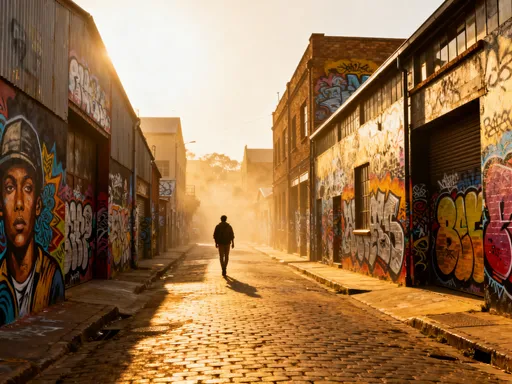
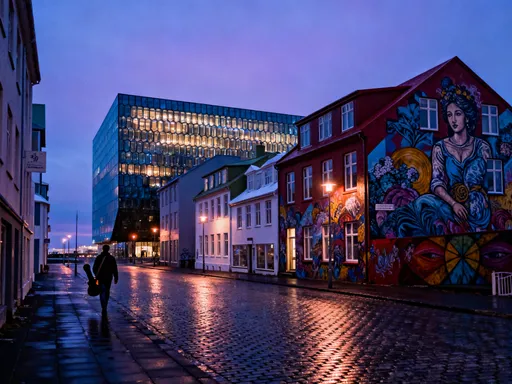
While museums offer curated experiences, Reykjavik’s true artistic pulse beats strongest in its streets. The 101 neighborhood, the city’s historic core, is a living gallery where every alley, wall, and side street tells a story. Unlike in cities where street art is policed or erased, Reykjavik embraces it as a legitimate form of expression. Murals appear overnight, evolve over weeks, and sometimes disappear quietly—only to be replaced by something new. This constant state of change reflects a culture that values impermanence, experimentation, and freedom.
Walking through the labyrinth of narrow streets, you’ll encounter works ranging from whimsical characters to sharp political commentary. One mural might depict a sheep wearing sunglasses, holding a megaphone—playfully nodding to Iceland’s agricultural roots and rebellious spirit. Another might show a melting glacier with the words “Listen to the ice,” a quiet but urgent call to climate action. The tone varies—sometimes humorous, sometimes solemn—but always intelligent. These aren’t random tags; they’re visual essays painted in spray paint and stencils.
What’s remarkable is how this art exists without formal permission yet with widespread respect. Local authorities rarely remove pieces unless they pose a safety hazard, and building owners often welcome artists to use their walls. This informal acceptance stems from a broader cultural attitude: art is not something to be controlled, but something to be nurtured. In a country with a strong tradition of storytelling—from ancient sagas to modern literature—visual art has simply become another chapter in the national narrative.
The street art scene also reflects Reykjavik’s social values. Many murals celebrate diversity, environmental stewardship, and community resilience. During events like Culture Night, when the entire city comes alive with free performances and open studios, street artists work in real time, inviting passersby to watch, contribute, or simply stand in awe. This inclusivity transforms public art from spectacle into shared experience. It’s not about the artist’s fame; it’s about the message, the moment, and the connection it creates.
Harpa’s Glass Heart: Where Architecture Meets Sound
No discussion of Reykjavik’s art scene is complete without Harpa, the city’s iconic concert hall and cultural center that rises like a crystalline fortress along the waterfront. Its façade—made of geometric glass panels that shift in color with the light—was inspired by Iceland’s basalt lava columns and the shimmering hues of the northern lights. Designed in collaboration between Icelandic architects and the artist Ólafur Elíasson, Harpa is more than a building; it’s a sensory experience. As you approach, the interplay of light, reflection, and shadow creates a sense of movement, as if the structure itself is breathing.
Inside, the acoustics are nothing short of extraordinary. Home to the Iceland Symphony Orchestra and host to a wide range of performances—from classical recitals to electronic music festivals—Harpa is engineered to carry sound with precision and warmth. Attending a live performance here is not just about hearing music; it’s about feeling it. The concert halls are designed to envelop the audience, with no seat too far from the stage. During a recent evening performance of a contemporary composition, the vibrations of cello and piano seemed to resonate not just in the ears, but in the chest, amplified by the architecture’s careful balance of wood, stone, and air.
But Harpa’s significance extends beyond its technical excellence. Since opening in 2011—amid a national financial crisis—Harpa has become a symbol of hope and perseverance. At a time when many public projects were scrapped, this bold investment in culture sent a powerful message: art matters, even in hard times. Today, Harpa functions as a true community hub. Locals gather in its lobby café not just before concerts, but for morning coffee, afternoon reading, or evening conversation. Children run through its halls during school trips, and tourists pause simply to admire the light playing across the glass walls. It is a space that belongs to everyone.
Seasonal installations further deepen Harpa’s cultural role. During winter, an interactive light display responds to movement and sound, inviting visitors to “play” the building like an instrument. In summer, outdoor concerts spill onto the plaza, turning the entire waterfront into a stage. Harpa doesn’t just host culture—it generates it, constantly adapting to the rhythm of the city and the needs of its people.
Off-the-Beaten-Path Studios and Artist Neighborhoods
Beyond the well-known institutions, Reykjavik’s artistic soul thrives in its smaller, independent spaces. Areas like the former industrial district of Grandi and the quiet streets near the Old Cemetery have become sanctuaries for working artists. Here, you’ll find studios tucked into old warehouses, printmaking workshops in converted garages, and pop-up galleries in repurposed storefronts. These spaces are rarely advertised, but they are alive with energy, collaboration, and authenticity.
One such hub is Kling & Bang, a nonprofit artist-run gallery that has been a cornerstone of the contemporary art scene since 2002. Operating without a permanent curator or director, the collective functions on principles of equality and experimentation. Exhibitions change frequently, often featuring multimedia installations, performance art, or conceptual projects that challenge traditional definitions of art. What makes Kling & Bang special is its openness—it welcomes emerging artists, international collaborators, and curious visitors with equal warmth. There’s no pressure to “understand” the art; the emphasis is on experience and dialogue.
Another gem is the Icelandic Printworks, a historic building that now serves as a center for printmaking and graphic arts. Once used for official government printing, the space has been transformed into a vibrant creative laboratory where artists experiment with etching, screen printing, and digital techniques. Monthly open studio events invite the public to watch artists at work, try their hand at printing, or simply chat over coffee. These moments of connection—between artist and audience, between craft and curiosity—are where Reykjavik’s art scene truly comes alive.
What unites these spaces is their rejection of elitism. There are no velvet ropes, no unspoken rules. Art is presented not as a finished product to be admired from a distance, but as a process to be engaged with. This accessibility fosters a sense of ownership among locals, who see themselves not just as spectators, but as participants in the city’s cultural life. For travelers, visiting these studios offers a rare intimacy—a chance to meet artists, hear their stories, and witness creativity in its rawest, most honest form.
Music as Culture: More Than Just Björk
When people think of Icelandic music, names like Björk and Sigur Rós often come first. But in Reykjavik, music is far more than celebrity—it’s a way of life. The city has one of the highest concentrations of musicians per capita in the world, and live performances happen nightly in venues no larger than a living room. A basement in a downtown apartment might host an experimental jazz trio; a used bookstore could double as an acoustic set venue on a Tuesday night; a community center might transform into a punk rock stage on the weekend.
This intimacy is by design. Many Reykjavik musicians value connection over spectacle. They play not for fame, but for the joy of creation and the bond it creates with listeners. The city’s small size means that artists and audiences often know each other, blurring the line between performer and fan. At a recent show in a converted church, the lead singer paused between songs to share a personal story about writing the next piece during a long winter night in the countryside. The audience listened in silence, not out of formality, but genuine empathy. In that moment, music became more than entertainment—it became shared experience.
The landscape itself shapes the sound. Iceland’s vast, silent expanses—its glaciers, volcanoes, and empty highlands—have inspired a musical aesthetic defined by space, minimalism, and emotional depth. Many artists incorporate natural sounds into their work: the crackle of ice, the rush of waterfalls, the wind through lava fields. This deep connection to environment gives Icelandic music a distinct texture—one that feels both ancient and futuristic.
Festivals amplify this spirit. In summer, the Secret Solstice Festival takes advantage of the midnight sun, hosting 72-hour concerts that span genres and locations—from underground caves to rooftop stages. In winter, the Dark Music Days festival celebrates experimental and avant-garde compositions, often performed in dimly lit spaces that enhance the music’s emotional weight. These events don’t just attract tourists; they unite locals, reinforcing the idea that music is a communal force, capable of lighting up even the darkest months.
Why This Matters: Art as a Way of Surviving the Dark
To understand Reykjavik’s art scene, one must understand Iceland’s history. This is a country shaped by isolation, harsh weather, and long, dark winters. For centuries, survival depended not just on physical resilience, but on mental and emotional endurance. Storytelling, music, and visual art were not luxuries—they were tools for coping, for maintaining identity, for keeping the spirit alive. The sagas, passed down orally for generations, were not just entertainment; they were a way of preserving history and values in a land with few written records.
Today, that legacy lives on. The winter months, when daylight lasts only a few hours, remain a time of intense creative output. With long nights and limited outdoor activity, many Icelanders turn to art as a form of expression and connection. Community choirs rehearse in church halls, writers gather for poetry readings, and artists open their studios to neighbors. This cultural rhythm transforms isolation into intimacy, darkness into depth. Creativity becomes a form of resilience—a way of saying, “We are still here. We are still feeling. We are still creating.”
For visitors, engaging with this culture offers something deeper than sightseeing. It offers understanding. When you stand before a mural that blends folklore with modern critique, when you listen to a song born from silence and snow, when you walk through a gallery in a former prison turned art space, you’re not just observing art—you’re witnessing a philosophy of life. Reykjavik teaches that beauty and meaning can emerge from constraint, that community can be built through expression, and that even in the coldest places, the human spirit can burn brightly.
Travelers who come only for the waterfalls and geysers miss this truth. The landscapes are stunning, yes, but they are only half the story. The real magic of Iceland lies in how its people have turned adversity into art, how they use creativity not to escape reality, but to deepen it. To experience Reykjavik’s art scene is to understand that culture is not something you consume—it’s something you live.
Reykjavik taught me that culture isn’t something you schedule—it finds you. Its art isn’t confined to museums; it spills onto streets, into music, and through conversations. In embracing its raw, unfiltered creativity, the city offers not just sights, but meaning. To visit for the landscapes alone is to miss the soul. The real journey begins when you let the art speak—and realize it’s been whispering all along.