Hidden Art Trails in the Forests of Karlovy Vary You’ve Got to See
Nestled in the hills of the Czech Republic, Karlovy Vary isn’t just about spa waters and baroque facades—there’s a wilder, more creative side. I stumbled upon something mind-blowing: open-air art spaces tucked along hiking trails, where nature and creativity collide. These hidden installations, made by local artists, transform the forest into a living gallery. It’s peaceful, surreal, and absolutely worth the climb. Unlike traditional tourist paths, these trails invite slow exploration, rewarding visitors not only with panoramic views but also with unexpected moments of artistic wonder. Here, art doesn’t interrupt the silence of the woods—it deepens it.
The Unexpected Fusion of Hiking and Art in Karlovy Vary
Karlovy Vary, long celebrated for its healing thermal springs and elegant 19th-century architecture, has quietly cultivated a new kind of attraction: a network of forest trails where art and wilderness converge. What once began as scattered community projects has evolved into a curated experience that redefines what a hike can be. Instead of simply passing through nature, visitors now engage with it through creative interventions—sculptures emerging from tree roots, poetry carved into stone, or mirrors reflecting the canopy in unexpected ways. This blend of physical movement and aesthetic discovery offers a rare form of enrichment, one that appeals to both the body and the imagination.
The integration of art into hiking routes is not entirely new in Europe, but Karlovy Vary’s approach stands out for its subtlety and intentionality. Unlike large-scale outdoor museums or sculpture parks that dominate the landscape, the artworks here are designed to harmonize with their surroundings. They do not shout for attention but instead invite quiet observation. A bent iron figure leaning against a mossy boulder might go unnoticed at first glance, but upon closer inspection, it tells a story of resilience, echoing the strength found in both nature and human spirit. This gentle interplay transforms a routine walk into a journey of discovery.
What makes this fusion so powerful is its accessibility. No special knowledge of art is required to appreciate these installations. They speak in universal languages—form, texture, contrast, silence. Families, solo travelers, and older adults alike can find meaning in them, often projecting their own emotions onto the pieces. A wooden archway covered in ivy may symbolize transition to one person and protection to another. This openness allows each hiker to carry away a unique experience, making the trail not just a path through the woods, but a personal narrative unfolding with every step.
Moreover, combining art with hiking supports holistic well-being. Studies have shown that spending time in forests reduces stress and improves mental clarity, while exposure to art stimulates emotional processing and creativity. When these two elements come together, the effect is multiplicative. Walking becomes meditative, and viewing art becomes active rather than passive. In Karlovy Vary, where wellness has always been central to the town’s identity, this synthesis feels both innovative and deeply rooted in local values.
Top Trails That Lead to Open-Air Art Spaces
For those eager to explore, several well-marked trails around Karlovy Vary offer immersive encounters with forest art. One of the most accessible is the Homole Nature Trail, a gentle loop that begins just a short walk from the city center. This 3.5-kilometer path winds through mixed woodland, following a clear gravel route suitable for all fitness levels. Along the way, hikers encounter over a dozen artistic installations, including a series of painted stones embedded in the earth, each depicting phases of the moon. These are not random decorations; they are part of a larger narrative about time, cycles, and the quiet rhythms of nature.
Near the midpoint of the trail, a striking wooden sculpture titled "Guardian of the Grove" stands at the edge of a small clearing. Carved from a single beech trunk, the abstract figure appears both ancient and watchful, as if it has grown from the forest itself. Nearby, a sound installation made of suspended metal chimes responds to the wind, creating an ever-changing melody that blends with bird calls and rustling leaves. This deliberate use of sensory elements turns the hike into a multi-layered experience, engaging sight, sound, and even touch for those who pause to run their fingers over weathered wood or cool stone.
For a more challenging route, the Skalní mlýn to Dvory Trail offers a 7-kilometer ascent through dense pine and spruce forests. Rated moderate in difficulty, this path gains elevation steadily, rewarding hikers with sweeping views of the Teplá River valley. Scattered along the trail are repurposed industrial artifacts transformed into art—old mill gears mounted on stone plinths, rusted chains arranged into spirals, and fragments of vintage machinery reassembled into abstract forms. These pieces pay homage to the region’s industrial past while reimagining its relationship with nature. One particularly moving installation features a reconstructed waterwheel, now non-functional but beautifully preserved, symbolizing the transition from utility to beauty.
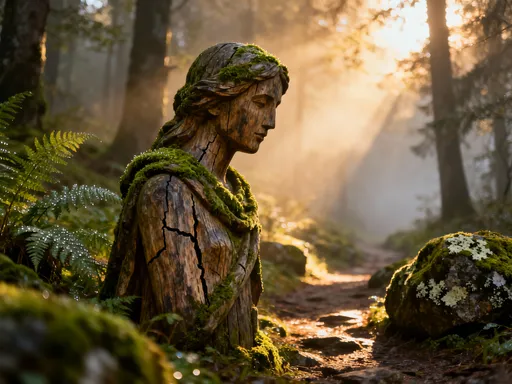
Another notable path is the Lesní Stezka Svoboda, or Svoboda Forest Trail, located on the eastern outskirts of the city. This 5-kilometer trail passes through a protected forest reserve known for its biodiversity. Here, the artworks are designed to age naturally, using materials like untreated timber, clay, and stone. Some pieces have begun to blend into the environment—moss creeping over carved faces, branches growing through sculptural frames—creating a dynamic relationship between creation and decay. One installation, a circular bench made of interlocking wooden slats, invites visitors to sit and reflect, offering a moment of stillness amid the journey. Benches like this are strategically placed at scenic overlooks, ensuring that rest and contemplation go hand in hand.
All of these trails are clearly marked with standard Czech hiking signs—white, red, blue, or green stripes painted on trees and rocks—and are maintained by local conservation groups. Informational boards at trailheads provide basic details about the artworks, though many are intentionally left unexplained, encouraging personal interpretation. Digital maps are available through the Karlovy Vary Tourism website, and printed brochures can be picked up at the main visitor center. For those concerned about navigation, GPS-enabled apps such as Mapy.cz or Komoot offer reliable offline tracking, especially useful in areas with limited phone signal.
Meet the Local Artists Behind the Installations
The soul of these forest galleries lies in the hands of local creators—sculptors, painters, and environmental artists who see the woods as both studio and muse. While individual names may not always be publicly listed, their collective ethos is clear: art should not conquer nature but converse with it. Many of these artists live in nearby villages or small towns, drawing inspiration from regional folklore, ecological concerns, and the changing seasons. Their work reflects a deep respect for the land, often using found materials or sustainably sourced wood to minimize environmental impact.
One such artist, a woodcarver from the village of Stará Role, has contributed multiple pieces to the Homole trail. Working primarily with fallen timber, he avoids cutting live trees, believing that each piece of wood carries its own history and energy. His sculptures often feature elongated human forms intertwined with animal shapes, blurring the boundary between species. When asked about his motivation, he described a desire to remind people of their connection to the natural world—a connection he feels modern life often erases. “We are not separate from the forest,” he said in a local interview. “We are part of its breath, its rhythm.”
Other contributors include a collective of art students from the Academy of Fine Arts in Prague, who participated in a summer residency program focused on land art. Their temporary installations—made of leaves, flowers, and ice—were designed to disappear within weeks, emphasizing impermanence and the beauty of transience. Though these works no longer remain, photographs and sketches are displayed in a small exhibition space near the Svoboda trailhead, preserving their legacy. This blend of permanent and ephemeral art adds depth to the overall experience, reminding visitors that not all meaning must last forever to be valuable.
What unites these artists is a shared belief in accessibility. Their work is not confined to galleries or auction houses but placed freely in the open, available to anyone willing to walk the path. This democratization of art aligns with broader cultural values in the Czech Republic, where public spaces have long served as venues for creative expression. By situating their work in nature, these artists also challenge conventional ideas about where art belongs—proving that beauty and meaning can thrive far beyond museum walls.
How to Plan Your Own Art-Focused Hike
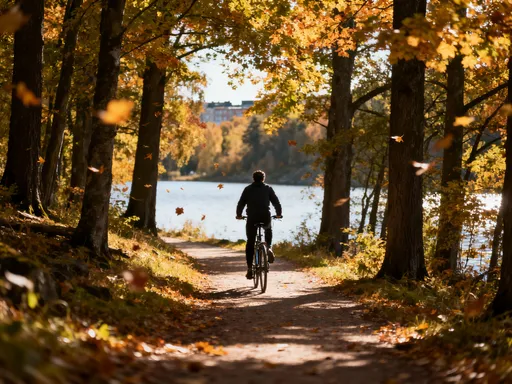
Planning a visit to Karlovy Vary’s art trails is both simple and rewarding. The best time to go is from late spring through early autumn, when the weather is mild and the forest is lush. May and June offer blooming wildflowers and soft light filtering through new leaves, while September and October bring golden foliage and fewer crowds. Winter hikes are possible but require proper gear, as some trails can become icy or snow-covered. Regardless of season, mornings are ideal for photography and solitude, while afternoons tend to attract more visitors, especially on weekends.
Comfortable hiking shoes with good grip are essential, particularly on the steeper routes. A light backpack with water, snacks, and a rain jacket ensures preparedness for changing conditions. While most trails have no formal facilities, small villages near trail exits—such as Dvory or Skalní mlýn—often have family-run cafes serving homemade pastries and herbal teas. These make perfect spots for a post-hike refreshment, offering a chance to chat with locals and learn more about the region’s traditions.
To locate the trails, start at the Karlovy Vary Information Center on Mírové náměstí, where staff can provide up-to-date maps and condition reports. The center also offers a free brochure titled "Art in the Forest," which includes photos, artist insights, and a recommended itinerary for a half-day tour. For independent travelers, downloading the Mapy.cz app before arrival is highly advisable, as it includes detailed topographic data and offline functionality. The app marks all official trails and highlights points of artistic interest with small icon overlays, making navigation intuitive.
Families with children may want to focus on the Homole trail, which is stroller-friendly in sections and includes interactive elements like a "sound garden" where kids can tap tuned logs to create music. For a longer adventure, combining the Svoboda trail with a visit to the nearby Diana Observation Tower offers both artistic and panoramic rewards. From the tower’s viewing platform, hikers can see the entire valley, putting their journey into perspective—literally and metaphorically.
It’s also worth noting that these trails are part of a larger cultural initiative supported by the Karlovy Vary municipality and regional environmental organizations. Entry is completely free, and there are no commercial vendors along the routes, preserving the sense of serenity. Visitors are encouraged to follow the principles of Leave No Trace—staying on marked paths, avoiding littering, and refraining from touching or altering the artworks. This respect ensures that future generations can enjoy the same quiet magic.
The Role of Nature in Shaping Artistic Expression
The forest is not just a backdrop for these artworks—it is an active participant in their creation and evolution. Many artists design their pieces with natural processes in mind, knowing that rain, wind, frost, and time will gradually transform them. A sculpture made of untreated wood will gray with age, blend with bark, and eventually return to the soil. This acceptance of change is central to the philosophy behind the installations. Rather than resisting decay, the artists embrace it, seeing beauty in the slow dialogue between human creation and natural forces.
This dynamic is especially evident in sound-based works, such as wind chimes made from recycled metal or hollow logs that amplify the rustle of leaves. These pieces only come alive in specific conditions—when the breeze picks up or rainwater fills a cavity. Their unpredictability adds an element of surprise, turning each visit into a unique auditory experience. Similarly, reflective surfaces placed along the trails capture shifting light, offering fleeting glimpses of the sky or treetops that change with the hour and season. These elements remind visitors that nature is not static, and neither is art.
Ecological awareness is also a recurring theme. Some installations incorporate native plants or serve as habitats for insects and birds. One sculpture, shaped like a hollow tree, doubles as a nesting box for owls. Another uses permeable clay tiles to collect rainwater, creating small pools that attract frogs and dragonflies. These functional aspects reinforce the idea that art can coexist with, and even support, living ecosystems. They also reflect a growing trend in environmental art—one that moves beyond symbolism to practical stewardship.
By allowing nature to shape the art, the creators invite a deeper form of engagement. Visitors are not just observers but witnesses to an ongoing process. They may return months later and find a sculpture half-buried in leaves, or see moss spreading across a metal frame like green veins. This impermanence fosters mindfulness, encouraging people to appreciate the present moment rather than seek permanence. In a world obsessed with preservation and control, these forest artworks offer a quiet rebellion—a celebration of change, growth, and release.
Why This Experience Stands Out Among European Hiking Destinations
Across Europe, hiking is often associated with summit views, alpine meadows, or historic pilgrimage routes. While these experiences are undeniably beautiful, they tend to emphasize physical achievement over contemplative depth. Karlovy Vary’s art trails offer a different kind of journey—one that values reflection as much as exertion. There are no checklists of peaks to conquer, no medals for distance covered. Instead, the reward is internal: a sense of peace, a spark of inspiration, a moment of connection.
Unlike crowded tourist paths in the Alps or the Mediterranean coast, these trails remain relatively quiet, even in peak season. This solitude enhances the experience, allowing visitors to move at their own pace and engage fully with their surroundings. There is no pressure to perform, no competition for photo spots. The art installations are spaced far enough apart to prevent overcrowding, ensuring that each one can be appreciated without distraction.
Moreover, this destination seamlessly integrates culture, wellness, and nature—three pillars that resonate deeply with adult travelers, especially women aged 30 to 55 who seek meaningful, low-stress experiences. The act of walking through the forest aligns with wellness goals, while the art stimulates emotional and intellectual engagement. The absence of commercialization—no gift shops, no loud signage, no entry fees—fosters authenticity. This purity of experience is increasingly rare in today’s travel landscape, where even remote destinations are often shaped by mass tourism.
Karlovy Vary’s approach also contrasts with other European art-in-nature projects, such as Norway’s “Under” underwater restaurant or England’s Crop Art festivals. While these are impressive, they often prioritize spectacle over intimacy. The forest trails here are intimate by design, inviting quiet conversation with oneself and the environment. They do not demand attention but earn it through subtlety and sincerity. In doing so, they offer a model for sustainable, emotionally enriching tourism that other regions could learn from.
Closing Thoughts: Where Movement Meets Meaning
The art trails of Karlovy Vary represent more than a novel way to spend a day outdoors—they embody a philosophy of travel that values depth over speed, presence over possession. Each step along these paths becomes an act of discovery, not just of scenery or sculpture, but of self. In a world that often feels rushed and fragmented, these quiet forest walks offer a rare opportunity to slow down, breathe deeply, and reconnect with what matters.
They remind us that beauty does not always announce itself. Sometimes, it waits in the shadows between trees, in the curve of a weathered bench, in the whisper of chimes carried on the wind. It asks only that we pay attention. And in return, it offers moments of stillness, insight, and unexpected joy.
For those planning their next getaway, consider stepping off the beaten path—not just geographically, but emotionally and creatively. Seek out experiences that invite reflection, that blend movement with meaning, that honor both human ingenuity and natural wonder. Support local artists, protect fragile ecosystems, and travel with intention. The trails of Karlovy Vary show us that the most memorable journeys are not always the longest or the most dramatic, but the ones that leave a quiet mark on the heart. Let your next hike be one of them.