You Won't Believe What I Found in Malé – Hidden Nature Spots Most Visitors Miss
When you think of the Maldives, crystal-clear lagoons and overwater villas come to mind—but not necessarily Malé, the bustling capital. I didn’t expect to find natural beauty here, honestly. Yet, tucked between narrow streets and local markets, I stumbled upon quiet green corners, coastal breezes, and untouched islets just a short boat ride away. This isn’t the typical postcard Maldives—it’s real, raw, and surprisingly serene. Let me take you through the side of Malé’s natural scenery almost no tourist talks about.
Reimagining Malé: Beyond the Urban Surface
Malé, the capital of the Maldives, is often described in terms of density and dynamism. Covering just over 8 square kilometers and home to more than 200,000 people, it ranks among the most densely populated cities in the world. At first glance, it appears to be a tightly packed urban landscape of concrete buildings, narrow alleyways, and bustling streets filled with motorbikes and pedestrians. Many travelers pass through with carry-on luggage and barely pause, assuming the island offers little beyond logistical necessity. But this initial impression misses a quieter truth—one that reveals itself only to those willing to look beyond the surface.
Amid the city’s compact layout, small but meaningful pockets of nature thrive. These are not grand parks or dramatic landscapes, but intimate spaces where greenery softens the urban edges. Trees grow along sidewalks, flowering vines climb balconies, and sea breezes slip through alleyways, carrying the scent of salt and frangipani. The contrast between the city’s energy and these tranquil spots creates a unique rhythm—one that mirrors the balance many Maldivians maintain between modern life and natural harmony. It’s a reminder that even in the most urban environments, nature finds a way to persist.
What makes Malé’s natural side especially rewarding is the shift in perspective it requires. Most visitors arrive with expectations shaped by glossy travel brochures showcasing private island resorts and endless horizons of blue. When those images don’t align with the reality of a working capital city, disappointment can set in. But by adjusting those expectations—by embracing Malé not as a resort but as a living, breathing community—travelers open themselves to a different kind of beauty. This is not the curated serenity of a luxury getaway; it’s the organic, unpolished charm of everyday life where nature is not removed from the city but woven into it.
Hulhulé Island & the Airport Causeway: A Scenic Gateway
For most international visitors, the first real view of the Maldives comes not from a seaplane but from the ten-kilometer causeway connecting Velana International Airport on Hulhulé Island to Malé. This stretch of road, known as the Sinamalé Bridge, spans the shallow waters of the North Male Atoll and offers one of the most breathtaking introductions to the country’s natural beauty. On both sides, the Indian Ocean glows in shades of turquoise and sapphire, its surface broken only by the occasional passing dhoni or cruising ferry. It’s a view that quietly recalibrates the traveler’s mindset—this is, after all, the Maldives, even if the capital lies ahead.
Hulhulé Island itself, though primarily developed for airport operations and business infrastructure, has been thoughtfully landscaped with green belts, palm-lined pathways, and open plazas. Unlike the density of Malé, Hulhulé offers breathing room—literally and visually. Travelers with layovers or early flights can take short walks along the coastal paths, where sea breezes cool the tropical heat and seabirds glide above the water. These spaces, though man-made in origin, have become part of the island’s ecological rhythm, supporting coastal vegetation and providing shade in an otherwise sun-exposed environment.
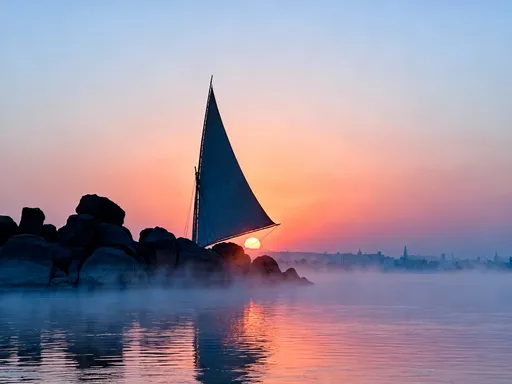
The causeway is especially magical at sunrise and sunset, when the sky shifts through soft pinks, golds, and deep oranges, reflecting off the water like a mirror. Many tourists remain inside vehicles during the crossing, eyes on phones or luggage, unaware that they’re passing through one of the most scenic gateways in the Indian Ocean. But those who pause—even briefly—by stepping out at a rest area or choosing a window seat—experience a powerful moment of arrival. It’s here, between airport and capital, that the Maldives announces itself not through luxury but through light, water, and sky.
The Green Heart of Malé: Sultan Park
At the center of Malé’s urban grid lies Sultan Park, the city’s most prominent public green space and a sanctuary for both locals and observant travelers. Located near the Malé Friday Mosque and the historic Republican Square, this modest but well-maintained park spans just over one hectare, yet it serves as a vital lung within the densely built capital. Lined with tall Indian almond trees, fragrant frangipani, and neatly trimmed hedges, the park offers a shaded escape from the midday sun. Benches under canopies invite quiet conversations, children play near fountains, and elderly residents sip tea while watching the world pass by.
Established in the mid-20th century and named after a former sultan, Sultan Park has long been a gathering place for Maldivians seeking respite from city life. It’s not uncommon to see families picnicking on weekends, students reading under trees, or groups of friends laughing over snacks from nearby stalls. The park’s layout is simple—gravel paths winding through flowerbeds, a central fountain, and a small playground—but its impact is profound. In a city where private outdoor space is limited, public parks like this become essential to community well-being.
What makes Sultan Park particularly special is how it blends natural beauty with cultural presence. During national holidays, the space comes alive with decorations and performances. On ordinary days, it hums with the quiet rhythm of daily life. For visitors, a walk through Sultan Park offers more than shade and scenery—it provides insight into how Maldivians interact with nature in an urban context. It’s not about grand vistas or untouched wilderness; it’s about finding peace in a small patch of green, surrounded by the pulse of the city. In this way, the park becomes a symbol of balance—between tradition and modernity, between built environment and natural retreat.
Foakamba Gardens: A Quiet Escape with Ocean Whispers
Just a short walk from the northern edge of Malé’s main commercial district lies Foakamba Gardens, a lesser-known green space that embodies the quiet grace of the city’s natural side. Unlike the more central Sultan Park, Foakamba is tucked away near the coastline, where the sounds of traffic fade and are replaced by the soft rustle of palm fronds and the distant lap of waves. The garden features wide lawns, tall coconut and breadfruit trees, and paved pathways that meander toward the sea. Benches face the water, offering front-row seats to the ever-changing panorama of sky and ocean.
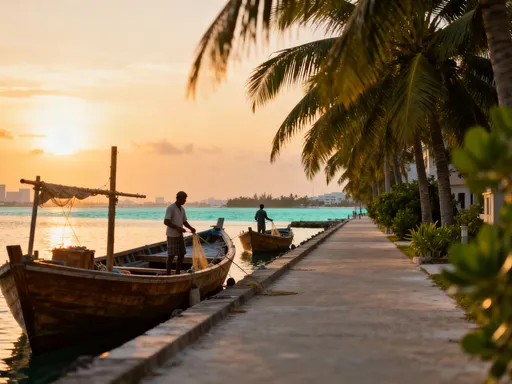
Foakamba is especially popular during the early morning and late afternoon, when temperatures are cooler and the light is soft. Locals come here to walk, meditate, or simply sit in silence, enjoying the rare combination of greenery and sea air within city limits. Fishermen can sometimes be seen mending nets nearby, their boats resting on the shallow shore. The atmosphere is unhurried, almost meditative—a stark contrast to the energy of the central markets just a few blocks away. Because it’s not widely promoted in tourist guides, Foakamba remains largely undiscovered by visitors, making it one of Malé’s best-kept secrets.
The garden’s proximity to the ocean adds a unique dimension to the experience. Unlike inland parks, Foakamba is shaped by tides and wind, with salt-tolerant plants and coastal grasses adapted to the maritime environment. During high tide, the water creeps close to the pathway, reflecting the sky in shimmering pools. At low tide, small sandbars emerge, revealing glimpses of coral fragments and seashells. This dynamic relationship between land and sea is a quiet reminder of the Maldives’ fragile geography—and of how even urban spaces are deeply connected to the surrounding ocean.
The Eastern Seaboard: Walking the Male’ Waterfront
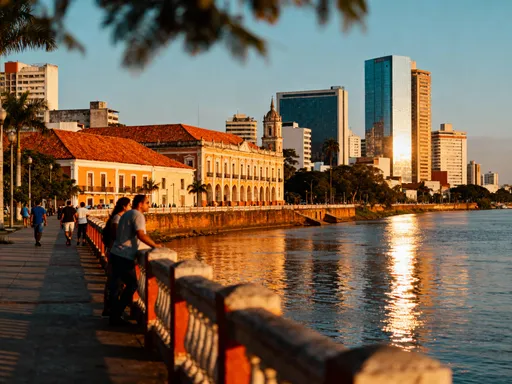
One of the most rewarding ways to experience Malé’s blend of nature and culture is by walking the eastern waterfront, a paved promenade that stretches along the island’s edge facing the Indian Ocean. This stretch, particularly lively in the evenings, draws locals and a handful of curious travelers who come to enjoy the cooling sea breeze and panoramic views. The walkway is lined with palm trees, decorative lighting, and occasional seating areas, making it ideal for a leisurely stroll or a quiet moment of reflection.
What sets the eastern seaboard apart is its integration of daily life with natural beauty. Fishing dhonis—traditional wooden boats painted in bright colors—dock along the nearby harbor, their crews unloading the day’s catch. The sight of these vessels, some hand-carved and decades old, adds a timeless quality to the seascape. Children fly kites near the open fields, couples walk hand in hand, and vendors sell fresh coconut water and local snacks like hedhikaa, a selection of savory and sweet bites. The sensory experience is rich: the smell of grilled fish, the sound of waves and laughter, the feel of warm pavement underfoot.
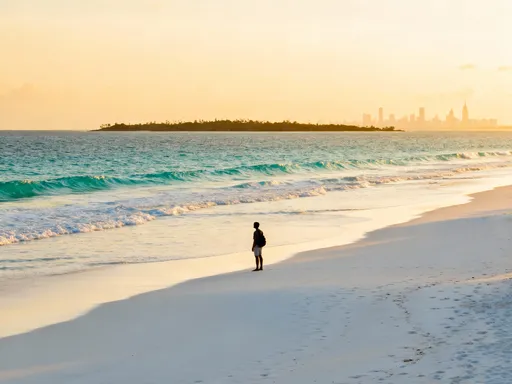
Sunset is the most magical time on the waterfront. As the sun dips below the horizon, the sky transforms into a canvas of amber, rose, and lavender, casting a golden glow over the water. The promenade fills with people pausing to take photos or simply stand in quiet appreciation. Unlike resort-based sunsets designed for romance, this one feels communal and unscripted—a shared moment of beauty in the rhythm of ordinary life. For travelers, walking this stretch offers a rare opportunity to witness the Maldives not as a luxury escape but as a living nation where nature is part of the daily fabric.
Day Trips to Natural Gems: Villingili and Hulhumalé
For those seeking more expansive natural experiences, two nearby islands offer accessible and rewarding day trips: Villingili and Hulhumalé. Both are connected to Malé by regular public ferry services, making them easy to reach without the expense of private charters. Each island presents a different facet of the Maldives’ relationship between urban development and ecological preservation, proving that nature thrives even in reclaimed and residential spaces.
Villingili, also known as Guraidhoo in the Kaafu Atoll, is a quiet residential island just a 20-minute ferry ride from Malé. Unlike the capital, it features wide streets lined with lush vegetation, including banana trees, hibiscus bushes, and tall palms. The island has a network of cycling paths, allowing visitors to explore at a relaxed pace. Birdwatchers may spot common mynas, white terns, and even the occasional grey heron near the shoreline. The southern end of the island opens to a calm lagoon, where families swim and children play in the shallows. There are no luxury resorts here, no souvenir shops—just a peaceful community living in harmony with its environment.
Hulhumalé, on the other hand, is a planned city built on reclaimed land to ease overcrowding in Malé. Though entirely man-made, it has been designed with sustainability in mind. Wide boulevards, designated green zones, and artificial beaches create a more spacious urban experience. The island’s coastal edges are lined with mangroves planted to prevent erosion and support marine life. Morning joggers and cyclists frequent the seaside paths, and weekend markets bring color and energy to the open plazas. While Hulhumalé may lack the historical charm of older islands, its integration of nature into urban planning offers a glimpse into the future of island living in the Maldives—one where development and ecology are not at odds but carefully balanced.
Why This Side of the Maldives Matters
The Maldives is often celebrated for its exclusivity—its private islands, overwater bungalows, and untouched atolls. These experiences are undeniably beautiful, but they represent only one dimension of the archipelago’s identity. The natural beauty found in and around Malé tells a different story: one of resilience, adaptation, and everyday wonder. It reminds us that nature is not only preserved in remote resorts but also cherished in city parks, coastal pathways, and quiet gardens. These spaces may not appear in glossy travel magazines, but they are no less significant.
Exploring this side of the Maldives encourages travelers to look beyond stereotypes. It challenges the notion that authentic experiences require isolation or luxury. Instead, it invites a deeper engagement with the country’s culture and environment—one that values simplicity, community, and the quiet moments of connection with nature. In a world where tourism often prioritizes the extraordinary, there is profound value in appreciating the ordinary.
Malé’s hidden greenery and coastal charm serve as a quiet testament to the adaptability of nature and the importance of preserving it, even in the most urban settings. They remind us that beauty does not always announce itself with fanfare. Sometimes, it waits patiently in a shaded park, along a windswept promenade, or on a quiet islet just beyond the city’s edge. For the traveler willing to slow down and look closely, Malé offers not just a stopover, but a revelation—one that lingers long after the journey ends.