Lost in the Mist: Ella’s Wild Highlands Beckon
You know that feeling when nature just hits you in the face with pure magic? That’s Ella. Hidden in Sri Lanka’s hill country, this dreamy town isn’t just about postcard views—it’s raw, green, and alive. I wandered fog-draped trails, crossed bamboo bridges, and sipped tea where the air tastes like moss and rain. If you're craving real connection with nature, untouched and wild, Ella delivers in ways you never expected. Nestled at over 1,000 meters above sea level, this highland retreat offers a refreshing contrast to the tropical heat of the coast. Here, the mountains breathe slowly, the mist rolls in without warning, and life unfolds at a gentler pace. It’s not just a destination—it’s a feeling, a return to something elemental and true.
Arrival in Ella: First Impressions of a Mountain Escape
The journey to Ella is as much a part of the experience as the destination itself. Most travelers arrive by train, winding through Sri Lanka’s central highlands on one of the most scenic rail routes in the world. As the train climbs from the humid lowlands into the cool hill country, the landscape transforms. Lush rice paddies give way to terraced tea estates, banana trees retreat behind clouds, and the air grows crisper with every passing kilometer. By the time you step onto the small platform at Ella station, the temperature has dropped noticeably, and the scent of damp earth and wild herbs fills your lungs. This is not just a change of scenery—it’s a shift in atmosphere, a deep breath after the intensity of city life.
What makes Ella stand out in a country known for its coastal beauty, ancient temples, and bustling markets is its quiet, immersive natural presence. Unlike more commercialized hill stations, Ella retains a sense of authenticity. The town stretches along a narrow valley, flanked by steep, forested ridges. Houses cling to the slopes, and small shops sell handmade crafts, fresh fruit, and, of course, locally grown tea. As evening falls, the mist descends like a soft veil, muffling sounds and wrapping the hills in mystery. It’s easy to feel both small and significant here—small in the face of such vast greenery, yet deeply connected to the rhythm of the land.
The sensory experience begins the moment you step outside. The smell of wet pine and wild ferns lingers in the air. Bird calls echo from the treetops—sometimes the sharp cry of a Malabar trogon, other times the soft coo of a jungle dove. Streams murmur beneath stone bridges, and the occasional distant waterfall adds a rhythmic hush to the background. For travelers accustomed to the sensory overload of urban Sri Lanka, Ella is a balm. It invites slowness, presence, and observation. Whether you’re sipping tea on a veranda or simply standing still on a quiet road, the landscape has a way of settling into your bones.
Little Adam’s Peak: A Sunrise Hike That Rewards
One of the most beloved experiences in Ella is the sunrise hike to Little Adam’s Peak. Despite its name, this is not a strenuous climb, making it accessible to travelers of all ages and fitness levels. The trailhead begins just outside the town center, marked by a simple signpost and a few stone steps leading upward. The path is well-maintained, mostly consisting of stone slabs and compacted earth, with handrails in steeper sections. At roughly 1.5 hours round trip, it’s an ideal morning adventure—short enough to leave energy for the rest of the day, yet rewarding enough to feel like a true accomplishment.
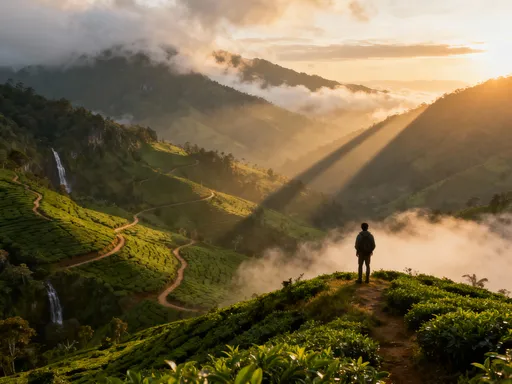
What sets this hike apart is the moment of arrival at the summit just before dawn. As the sky shifts from deep indigo to soft gold, the valley below begins to emerge from the shadows. Rolling hills draped in tea plants stretch endlessly, their rows forming neat green patterns like fabric stitched by nature. Mist curls around the edges of cliffs, dissolving and reforming with the breeze. In the distance, the peaks of Ella Rock and the Nine Arch Bridge area rise like silhouettes. It’s a view that feels both expansive and intimate—a panorama that reminds you of the earth’s quiet grandeur.
The emotional payoff of this hike is profound. There’s something deeply grounding about watching the world wake up from such a vantage point. The first rays of sunlight spill over the ridges, warming the stone beneath your feet. Birds begin their morning chorus, and the distant hum of a train on the tracks adds a human note to the wilderness. For many visitors, this moment becomes a highlight of their Sri Lankan journey—not because it’s dramatic or extreme, but because it’s peaceful and authentic. It’s nature revealing itself in slow motion.
To make the most of the experience, it’s best to start the hike about 45 minutes before sunrise. Wear sturdy walking shoes, as the path can be slippery when damp, and bring a light jacket—the early morning air is cool, even in the warmer months. While the trail is popular, arriving slightly before peak times helps avoid crowds. Some travelers choose to go on a guided walk, which can include commentary on local flora and history, but the route is straightforward enough to follow independently. Regardless of how you approach it, the view from the top is a gentle reminder that beauty often lies just a short climb away.
Ella Rock: For Adventurers Seeking Solitude
For those seeking a more immersive and challenging trek, Ella Rock offers a full-day adventure with one of the most breathtaking views in the region. Unlike the well-trodden path to Little Adam’s Peak, the trail to Ella Rock is rugged, less maintained, and deeply connected to the local landscape. The journey begins by passing through small villages where children wave from doorways and farmers tend to vegetable plots. The path then winds into dense jungle, crosses wooden footbridges over streams, and climbs over ancient boulders slick with moss. The round trip takes approximately three to four hours, depending on pace and stops, making it ideal for active travelers who want to feel like true explorers.
One of the defining features of this hike is its sense of discovery. There are no guardrails or marked signs for much of the route. Instead, you follow a dirt trail that forks occasionally, requiring either a guide or clear directions from locals. Many visitors hire a community guide from Ella town—a practice that supports the local economy and ensures a safer, more informative experience. These guides often share stories about the area’s history, point out medicinal plants, and explain the names of distant peaks visible from the summit.
The final ascent to Ella Rock is steep and requires some scrambling over rocks, but the effort is worth it. At the top, the land seems to fall away on all sides, offering a 360-degree panorama of the southern highlands. To the east, the tea-covered slopes of Uva Province stretch into the horizon. To the west, thick rainforest blankets the hills, and on clear days, you can even glimpse the ocean in the far distance. The sensation is one of standing at the edge of the world, suspended between sky and earth. There are no fences, no souvenir stalls—just wind, light, and silence.
Because the trail is not fully commercialized, it’s essential to come prepared. Wear strong hiking shoes with good grip, carry plenty of water, and pack a snack or two. Sun protection is important, as the summit offers little shade. While the hike is doable for most healthy adults, it’s not recommended for young children or those with mobility issues. The solitude and raw beauty of Ella Rock make it a powerful counterpoint to more tourist-heavy sites. It’s a place to reflect, breathe deeply, and remember why we travel—not just to see new places, but to feel them.
The Nine Arch Bridge: Where Jungle Meets Railway
No visit to Ella is complete without seeing the legendary Nine Arch Bridge, a marvel of colonial-era engineering now embraced by the jungle. Built in the early 20th century during British rule, this stone and brick viaduct spans a deep valley supported by nine graceful arches. What was once a feat of industrial ambition has become a symbol of nature’s quiet reclamation. Today, the bridge is cloaked in vines, ferns, and creeping fig, its surface softened by moss and rain. Trains still pass over it daily, offering passengers a thrilling ride through a living postcard.
The best way to experience the bridge is to walk across it from the Ella side, approaching through a tunnel of greenery. The path begins near Demodara station and follows the railway line, passing through tunnels and alongside steep drop-offs. As you near the structure, the sound of the approaching train carries through the air—a deep horn followed by the rhythmic clatter of wheels on tracks. When the train arrives, it moves slowly, allowing passengers and photographers to capture the moment. Standing on the bridge as a train passes overhead is an unforgettable experience—the vibration of the metal, the cool shade of the arches, the lush jungle pressing in from all sides.
Photographers and nature lovers alike flock to this spot, and for good reason. The contrast between human craftsmanship and wild growth is striking. The bridge was constructed without steel, using only stone, brick, and cement, yet it has endured over a century of monsoon rains and tropical heat. Local guides often explain how Tamil laborers and Indian engineers worked together to build it, a quiet testament to collaboration in a complex historical period. Today, the site is managed with care—visitors are asked to stay on designated paths, avoid littering, and respect the active railway.
For safety, it’s best to visit early in the morning or late afternoon when trains are less frequent. The ideal photo angles are from the hillside opposite the bridge, where you can capture the full span with the jungle backdrop. Some travelers combine the visit with a short hike to a nearby viewpoint or a stop at a small tea stall run by a local family. The Nine Arch Bridge is more than a photo opportunity—it’s a living piece of history, where the past and present move steadily forward, one train at a time.
Tea Plantations and the Taste of Highland Brew
Ella lies at the heart of Sri Lanka’s most renowned tea-growing region, where altitude, mist, and volcanic soil combine to produce some of the finest black teas in the world. The cool temperatures and consistent rainfall create ideal conditions for Camellia sinensis, the tea plant, resulting in leaves with a bright color, brisk flavor, and subtle floral notes. To truly understand Ella’s essence, one must visit a working tea estate and factory. Places like Uva Halpewatte Tea Factory offer guided tours that trace the journey from bush to cup, revealing the craftsmanship behind every sip.
The tour typically begins in the fields, where workers—mostly women in wide-brimmed hats—move steadily through the rows, plucking the top two leaves and a bud by hand. This selective harvesting ensures only the youngest, most flavorful leaves are used. A skilled picker can gather up to 20 kilograms of leaves in a single day, a physically demanding job done with quiet precision. After collection, the leaves are brought to the factory, where they undergo a series of steps: withering, rolling, fermenting, and drying. Each stage alters the flavor profile, and master tea makers monitor the process closely, relying on experience and intuition as much as machinery.
At the end of the tour, visitors are invited to a tasting session, where they can sample different grades and blends. A classic Uva highland tea has a bold, slightly spicy character with a golden hue—best enjoyed without milk to appreciate its natural complexity. Many travelers enjoy it with a spoon of local honey, which enhances the floral notes. The factory shop sells fresh tea in hand-labeled packets, making for a meaningful souvenir. More than just a beverage, this tea represents the soul of the region—grown slowly, processed with care, and steeped in tradition.
What makes Ella’s tea culture special is its accessibility. Unlike larger, more commercial estates, many local factories welcome small groups and offer personal tours. Some guesthouses even arrange private visits or host in-house tastings. Drinking tea in Ella is not just a ritual—it’s a connection to the land and the people who tend it. Each cup tells a story of altitude, mist, and human dedication, reminding us that the simplest pleasures often have the deepest roots.
Hidden Waterfalls and Secret Swimming Holes
Beyond the well-known trails and landmarks, Ella is surrounded by hidden natural treasures—waterfalls tucked into the jungle, cool pools perfect for swimming, and quiet spots where the sound of civilization fades away. One such gem is the waterfall near Dowa Rock Temple, a lesser-visited site that combines natural beauty with spiritual significance. The path leads through dense forest, crossing small streams and passing ancient rock paintings. As you approach, the sound of falling water grows louder, and soon the cascade comes into view—a slender ribbon of white plunging into a clear, emerald pool below.
Swimming here is refreshing, the water cool but not icy, and the surroundings deeply peaceful. Because it’s off the main tourist trail, the area rarely feels crowded. Other options include Rawana Falls, located a short tuk-tuk ride from Ella, where a wider pool allows for safe wading and gentle swimming. The name ties to local legend, but the site remains serene and welcoming. What these locations have in common is a sense of discovery—arriving at a waterfall that few others have seen, stepping into water untouched by the day’s heat, and feeling the mist on your skin.
When visiting these sites, it’s important to travel responsibly. Many of these areas are near sacred places or protected forests. Visitors should avoid loud noises, refrain from leaving trash, and never disturb rock art or religious offerings. Swimming should only occur in safe, designated areas, and children should be supervised at all times. Wearing water shoes is recommended, as rocks can be slippery. Bringing a reusable bottle and towel helps minimize waste. The goal is not just to enjoy these places, but to leave them as you found them—pristine and undisturbed.
Exploring hidden waterfalls is not about ticking off a list—it’s about slowing down and letting nature surprise you. There’s a quiet joy in finding a place where the only sounds are water, wind, and birdsong. For travelers seeking moments of stillness, these secret spots offer a rare kind of luxury: the gift of solitude in a beautiful, unspoiled setting.
Staying Green: Eco-Friendly Stays and Responsible Travel
As Ella’s popularity grows, so does the importance of sustainable tourism. Fortunately, many accommodations in the area are leading the way in eco-conscious practices. From family-run guesthouses to boutique lodges, a growing number of properties use solar panels for heating, harvest rainwater, compost organic waste, and maintain organic vegetable gardens. Some even generate their own electricity or use biogas systems, reducing reliance on external resources. These efforts not only lower environmental impact but also enhance the guest experience—imagine eating a breakfast of eggs from free-range chickens and tomatoes from the garden, all while looking out over misty hills.
Travelers can support this movement by choosing accommodations that prioritize sustainability. Look for places that minimize plastic use, offer reusable water bottles, and encourage guests to participate in conservation efforts. Many eco-lodges organize tree-planting activities, clean-up walks, or visits to local schools, creating meaningful connections between visitors and the community. Even small actions—like refusing single-use toiletries, reusing towels, or walking instead of taking a tuk-tuk—add up over time.
Supporting local guides, artisans, and small businesses is another way to travel responsibly. When you hire a community guide for a hike, buy handmade crafts at a village market, or eat at a family-run restaurant, you ensure that tourism dollars stay within the community. This kind of travel fosters dignity, preserves culture, and creates lasting benefits. It’s a shift from passive sightseeing to active, respectful engagement.
Ultimately, protecting Ella’s beauty is a shared responsibility. The hills, forests, and streams that make this place magical are fragile. By making mindful choices—what to buy, where to stay, how to behave—we help ensure that future generations can experience the same wonder. Sustainable travel isn’t about sacrifice; it’s about depth. It’s about leaving not just footprints, but positive ripples.
Conclusion: Why Ella Stays With You Long After You Leave
Ella is not a place you simply visit and forget. It lingers—in your memory, in your senses, in the quiet corners of your heart. It’s the cool morning air on your skin, the taste of fresh tea, the sound of a distant train echoing through the hills. More than a destination, Ella is an invitation—to slow down, to pay attention, to reconnect with the natural world in its most unfiltered form. It reminds us that beauty doesn’t have to be loud or flashy to be powerful. Sometimes, it’s found in a mist-covered valley, a hand-plucked tea leaf, or the silence at the top of a mountain.
The experiences here are not about checking boxes but about deepening awareness. Whether you’re hiking through fog, swimming in a hidden pool, or sitting quietly on a porch watching the light change, Ella encourages presence. It asks you to put down your phone, breathe deeply, and notice the details—the way moss grows on stone, how sunlight filters through leaves, the rhythm of life in a hillside village. In a world that often feels rushed and fragmented, this kind of stillness is rare and precious.
And perhaps that’s why Ella stays with you. It doesn’t just show you a new place—it changes the way you see. It teaches you to appreciate slowness, to find joy in simplicity, to travel not just with your eyes, but with your whole being. So when you plan your next journey, consider going deeper. Seek not just sights, but sensations. Let the landscape shape you. Travel mindfully, leave gently, and return home not just with photos, but with a quieter heart and a fuller soul.