Why Family Health Standards Backfire — And What Actually Works
We all want healthy families, but chasing rigid health rules can quietly damage harmony. I learned this the hard way — strict diets, forced routines, and constant "shoulds" created tension, not wellness. Real health isn’t about perfection. It’s about balance, connection, and sustainable choices. Let’s explore the common pitfalls and how to build a healthier, happier family life — together.
The Myth of Perfect Health at Home
Many families begin their wellness journey with the best intentions: structured meal plans, scheduled workouts, and strict screen-time limits. These standards are often seen as a path to vitality, energy, and long-term health. Yet, despite good intentions, these rigid approaches frequently fail to deliver lasting results. Instead of unity and improved well-being, families often experience resistance, frustration, and emotional strain. The belief that a single, ideal standard of health applies to everyone overlooks a fundamental truth — families are not monoliths. They are made up of individuals with unique needs, preferences, and rhythms. When one-size-fits-all rules are enforced, the result is rarely harmony.
Consider the common scenario of a parent introducing a strict no-sugar policy at home. While rooted in concern for children’s dental health and energy levels, this rule can quickly become a source of conflict. A child returning from a birthday party with a cupcake may feel shame or confusion when met with disapproval. Siblings might compare themselves — "Why does she get to have a treat and I don’t?" — creating tension where there should be joy. Over time, these moments accumulate, turning meals into battlegrounds and wellness efforts into sources of guilt. The emotional toll can outweigh the intended physical benefits, especially when children internalize the message that their choices are inherently wrong.
Moreover, the pressure to maintain perfection often leads to burnout. Parents may feel responsible for policing every bite or step, while children learn to associate healthy living with restriction and judgment. This dynamic undermines the very foundation of wellness: a positive relationship with food, movement, and self-care. When health becomes a set of unyielding rules rather than a flexible, compassionate practice, it ceases to be sustainable. The myth of perfect health at home is not only unrealistic — it’s counterproductive. It shifts the focus from well-being to compliance, from joy to obligation.
True family health does not emerge from rigid standards but from understanding and adaptability. Recognizing that each family member has different nutritional needs, activity levels, and emotional responses to change is the first step toward a more balanced approach. Instead of aiming for an unattainable ideal, families benefit more from embracing variety, moderation, and mutual respect. This mindset shift allows health to be a shared journey rather than a top-down mandate — one where connection matters as much as calories or steps.
When Wellness Rules Become Relationship Roadblocks
Well-intentioned health goals can inadvertently strain family relationships when they are imposed without sensitivity. A parent who begins a new fitness regimen may feel energized and motivated, but their enthusiasm can unintentionally alienate others. For example, spending hours at the gym or preparing elaborate meal-prep containers might send subtle messages of judgment — especially if comments are made about others’ habits. Children may interpret this as disapproval of their bodies or choices, even if none is intended. Similarly, a spouse who adopts a strict clean-eating phase might prepare separate meals, creating a sense of exclusion at the family table. Over time, these actions can erode trust and create emotional distance.
The psychology behind this reaction is well understood. Human behavior is deeply influenced by autonomy — the sense of having control over one’s choices. When health behaviors are presented as mandates rather than invitations, they trigger resistance. This phenomenon, known as psychological reactance, occurs when people feel their freedom is being threatened. In a family setting, this can manifest as defiance, withdrawal, or passive-aggressive behavior. A teenager might eat junk food in secret, not because they enjoy it, but as an act of reclaiming agency. A partner might skip family walks not out of laziness, but as a way to assert independence. These responses are not signs of laziness or lack of care — they are natural reactions to perceived control.
Communication patterns play a crucial role in whether wellness efforts bring people together or push them apart. Statements like "We should all eat this way" or "You’d feel better if you just exercised" may come from concern, but they often land as criticism. They imply that current habits are inadequate, which can damage self-esteem and breed resentment. In contrast, open dialogue that acknowledges different perspectives fosters cooperation. For instance, saying "I’ve been feeling more energy since I started walking in the mornings — would anyone like to join me?" invites participation without pressure. The difference lies in approach: one controls, the other connects.
To prevent wellness from becoming a wedge, families must prioritize empathy alongside health goals. This means checking in on how changes are affecting everyone, not just physically but emotionally. It means recognizing that motivation is not universal — what excites one person may overwhelm another. By treating health as a shared value rather than a set of rules, families can avoid the pitfalls of imposition and instead build a culture of mutual support.
Rethinking Family Health: From Control to Collaboration
The most effective family health strategies are not dictated — they are co-created. Shifting from a top-down model to one of collaboration transforms the entire dynamic. When children, partners, and caregivers all have a voice in shaping health habits, they are more likely to engage willingly and sustainably. This approach honors individuality while fostering unity. It replaces compliance with commitment, and obligation with ownership. The result is not just better adherence to healthy behaviors, but stronger relationships and greater emotional well-being.
One powerful way to begin this shift is through regular family meetings focused on wellness. These don’t need to be formal or lengthy — even a 15-minute conversation after dinner can make a difference. The goal is to create space for everyone to share their thoughts: what foods they enjoy, what activities feel fun, what changes they’d like to try. For example, a child might express a desire to try a new vegetable, or a parent might suggest a weekend hike. When ideas come from within the group, they carry more weight than when imposed from above.
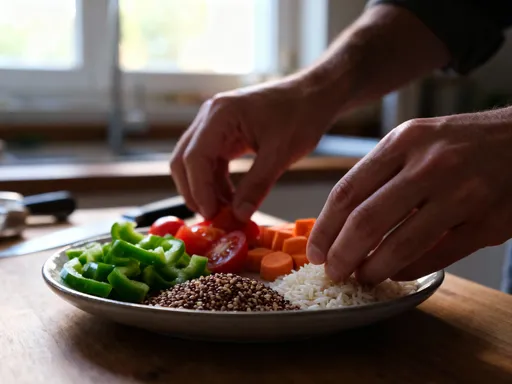
Choice-based meal planning is another cornerstone of collaborative health. Instead of a single menu dictated by one person’s goals, families can adopt a flexible structure. One effective method is the "base + build" approach: a common base (like rice or salad) is prepared for everyone, and individuals choose their own toppings or proteins. This allows a teen athlete to add extra chicken for protein while a parent managing cholesterol opts for beans. Everyone eats together, shares the same table, and feels included — without sacrificing personal needs.
Setting group goals further strengthens this sense of shared purpose. Rather than focusing on individual outcomes like weight or fitness levels, families can aim for experiences: hiking a local trail, completing a 30-day water challenge, or reducing screen time together. These goals emphasize connection and enjoyment, making health feel less like a chore and more like a shared adventure. Celebrating small wins — like finishing a walk without complaints or trying a new recipe — reinforces positive behavior and builds momentum. Over time, these moments accumulate into lasting habits rooted in togetherness, not pressure.
The Hidden Cost of Health Shaming
Even subtle forms of judgment can leave deep emotional imprints. A glance at a child’s plate, a comment about portion size, or a sigh when someone reaches for seconds may seem minor, but they carry weight. These micro-moments of disapproval contribute to what psychologists call health shaming — the act of making someone feel inferior about their body, eating habits, or lifestyle choices. When this occurs within a family, it damages trust and self-worth in ways that can last far beyond childhood.
Children are especially vulnerable to these messages. A young person who is repeatedly told to "eat less" or "be more active" may internalize the belief that they are not good enough as they are. This can lead to chronic self-doubt, disordered eating patterns, or avoidance of physical activity altogether. Research in behavioral science shows that shame is a poor motivator — it reduces self-efficacy, the belief in one’s ability to succeed. When people feel judged, they are less likely to make positive changes and more likely to retreat into secrecy or defiance.
In contrast, supportive guidance fosters resilience and confidence. The difference lies in tone and intent. A shaming statement focuses on what’s wrong: "You shouldn’t eat that." A supportive one focuses on care: "I know this is your favorite, and I love that you enjoy it. Let’s think about how we can include it in a balanced way." The latter approach preserves dignity while encouraging mindful choices. It communicates that health is not about restriction, but about balance and well-being.
Parents and caregivers can model this mindset by speaking kindly about their own bodies and habits. Saying things like "I’m choosing a salad today because it makes me feel energized" rather than "I have to eat this because I’ve been bad" sets a healthier example. It shifts the narrative from punishment to preference, from guilt to gratitude. Over time, this language becomes part of the family culture, shaping how everyone talks about food, movement, and self-care.
Building Sustainable Habits as a Unit
Lasting change rarely comes from dramatic overhauls. It emerges from small, consistent actions taken together. The key to sustainability is simplicity and enjoyment. Families that focus on incremental improvements — one healthy meal per week, one extra walk per month — are more likely to maintain progress than those attempting sweeping transformations. The science of habit formation supports this: behaviors are more likely to stick when they are easy, rewarding, and socially reinforced.
One effective strategy is the "habit stacking" method — linking a new behavior to an existing routine. For example, a family might decide to take a 10-minute walk after dinner every night. Because it’s tied to a regular activity, it requires less willpower to begin. Over time, it becomes automatic. Similarly, replacing sugary drinks with water can start with one meal a day, gradually increasing as the habit strengthens. The goal is not perfection, but progress.
Group accountability enhances this process. When everyone participates, there’s a built-in support system. A water challenge, where each family member tracks their daily intake, becomes a game rather than a chore. Screen-time trade-offs — such as earning extra phone time by completing a walk — can motivate reluctant members. Sleep routines benefit from shared wind-down practices, like reading together or listening to calming music. These rituals create structure without rigidity, making healthy choices feel natural rather than forced.
Celebrating effort, not just outcomes, is essential. A child who tries a new vegetable deserves recognition, even if they don’t love it. A parent who chooses the stairs instead of the elevator is making a meaningful shift. These moments of acknowledgment reinforce positive behavior and build confidence. Over time, the family develops a shared language of encouragement, where effort is valued and setbacks are met with compassion, not criticism.
Navigating Different Needs Without Division
No two family members have identical health needs, and that’s okay. A growing teenager requires more calories and protein than a middle-aged parent managing blood pressure. A child with high energy may thrive on movement, while a sibling with sensory sensitivities prefers quiet activities. Attempting to apply the same rules to everyone not only fails — it creates resentment. The solution is not uniformity, but flexibility. A family health plan that respects individual differences is more inclusive, more effective, and more sustainable.
Flexible meal structures are one way to achieve this balance. The "build-your-own" model — such as taco bars, grain bowls, or sandwich stations — allows each person to customize their plate. The base ingredients are nutritious and shared, but toppings and portions vary. This approach eliminates the need for separate meals while honoring personal preferences and dietary needs. It also encourages mindfulness, as individuals make conscious choices about what their body needs.
Physical activity can be adapted in similar ways. Rather than insisting on a single type of exercise, families can offer a menu of options: biking, dancing, gardening, or playing catch. Each member chooses based on interest and ability. On weekends, rotating who picks the activity ensures everyone feels heard. This variety prevents burnout and keeps movement enjoyable. It also teaches children that wellness is not one-size-fits-all — it’s personal and adaptable.
The emotional benefit of this approach is profound. When individuals feel seen and respected, they are more likely to engage willingly. There’s no sense of being "less than" or "difficult" — just different, and that’s valued. This fosters a culture of inclusion, where health is not a source of comparison but a shared commitment to caring for one another in ways that work for each person.
Health That Strengthens, Not Strains, Family Ties
At its core, family health is not just about physical outcomes — it’s about emotional connection. The most successful wellness journeys are those that strengthen relationships, not strain them. When kindness, patience, and mutual support are the foundation, healthy habits become a natural extension of love, not a list of demands. This redefinition — from rules to relationships — is what makes change last.
Progress, not perfection, must be the guiding principle. There will be days when plans fall apart — when takeout replaces home-cooked meals, or rain cancels a walk. These moments are not failures. They are part of real life. Responding with compassion rather than criticism preserves trust and keeps the long-term vision intact. A simple "We’ll try again tomorrow" carries more power than any rigid rule.
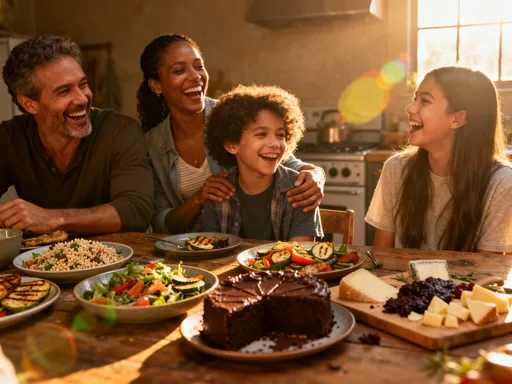
Shared joy is a powerful motivator. Baking healthy muffins together, planting a vegetable garden, or dancing in the living room — these experiences embed wellness into the fabric of daily life. They create positive associations with healthy choices, making them more likely to continue. Over time, the family develops a rhythm that balances structure with spontaneity, discipline with delight.
In the end, the goal is not a flawless health record. It’s a home where everyone feels accepted, supported, and capable of growth. It’s a family that faces challenges together, celebrates small wins, and learns from setbacks. This is the kind of health that endures — not because it’s enforced, but because it’s lived with love, intention, and grace.