How I Quiet My Mind and Heal My Body Without Pills
Anxiety doesn’t just live in your head—it shows up in your shoulders, your gut, your breath. For years, I felt stuck in a cycle of tension and fatigue, until I realized my body wasn’t broken, just out of sync. This isn’t a cure, but a real journey of rewiring both mind and body through simple, science-backed moves. If you’re tired of feeling wired and tired at the same time, what I discovered might finally help you reset—naturally.
The Hidden Link Between Anxiety and Physical Breakdown
Anxiety is often described as a mental health challenge, but its impact extends far beyond thoughts and emotions. It manifests physically in ways that many women in their 30s, 40s, and 50s recognize all too well—chronic shoulder tightness, unexplained stomach discomfort, headaches that linger for days, and a constant low hum of exhaustion no amount of coffee can fix. These are not random ailments. They are the body’s way of signaling that stress has become chronic, and the nervous system is stuck in a prolonged state of alert.
When the brain perceives threat—whether it’s a looming deadline, family conflict, or financial worry—it activates the sympathetic nervous system, triggering the well-known “fight-or-flight” response. This causes a cascade of physiological changes: heart rate increases, muscles tense, digestion slows, and cortisol, the primary stress hormone, floods the bloodstream. In short bursts, this response is protective. But when stress becomes constant, the body never gets the signal to return to baseline. The result is systemic inflammation, disrupted sleep, weakened immunity, and a growing sense of physical depletion.
What many don’t realize is that anxiety is not a one-way street from mind to body. The relationship is bidirectional. Just as mental stress can cause physical symptoms, physical tension can worsen anxiety. A clenched jaw, shallow breathing, or a stiff lower back sends feedback signals to the brain that danger is still present, keeping the cycle of stress alive. This explains why some women feel anxious even when their day appears calm—their body is still holding onto the memory of past stress.
Ignoring the physical dimension of anxiety means missing half the picture. Treating it solely with cognitive strategies or medication may offer temporary relief, but without addressing the body’s stored tension and dysregulation, long-term healing remains out of reach. The good news is that the body also holds the keys to recovery. By working with physical sensations—not against them—it’s possible to send new signals of safety to the brain, calm the nervous system, and begin the process of true restoration.
Resetting Your Nervous System: The First Step to Relief
At the heart of anxiety recovery lies the autonomic nervous system, which operates largely outside of conscious control. It has two main branches: the sympathetic system, responsible for arousal and alertness, and the parasympathetic system, which promotes relaxation, digestion, and repair. In times of stress, the sympathetic system dominates. But for lasting relief, the goal is to activate the parasympathetic response—often called the “rest-and-digest” or “safe-and-connected” state. This is where healing begins.
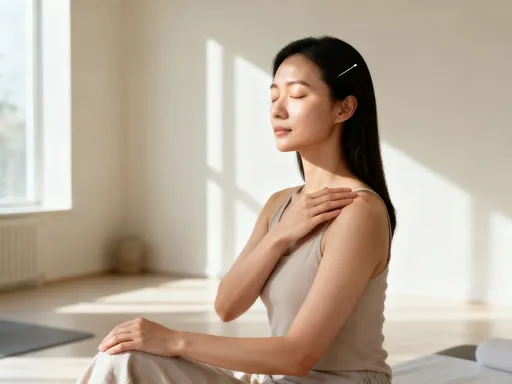
One of the most effective ways to shift into this calmer state is through breath regulation. Unlike heart rate or hormone levels, breathing is a function we can consciously influence, and it directly impacts the nervous system. Diaphragmatic breathing, also known as belly breathing, engages the diaphragm muscle fully, sending a powerful signal to the brain that the body is safe. When done slowly and deeply, it stimulates the vagus nerve, a key pathway of the parasympathetic system, helping to lower heart rate and reduce stress hormones.
Box breathing is another accessible technique. It involves inhaling for four counts, holding the breath for four counts, exhaling for four counts, and holding again for four counts before repeating. This rhythmic pattern helps regulate the nervous system by creating a predictable, calming rhythm. Studies have shown that consistent practice can improve emotional regulation and reduce symptoms of anxiety and PTSD. The beauty of these methods is their simplicity—they require no equipment, can be done anywhere, and often produce noticeable effects within minutes.
Grounding techniques are equally valuable, especially during moments of acute anxiety. The 5-4-3-2-1 method, for example, asks you to name five things you can see, four you can touch, three you can hear, two you can smell, and one you can taste. This sensory focus pulls attention away from racing thoughts and anchors it in the present moment. I tested this during a panic episode while waiting in a crowded pharmacy—within 90 seconds, my hands stopped shaking, and my breathing slowed. These are not magic tricks; they are neuroscience in action, helping the body remember what safety feels like.
Movement That Actually Helps (Not Hurts) Anxiety
When we think of exercise, many imagine intense workouts—running, weightlifting, high-intensity interval training. But for someone already living with chronic stress, these forms of movement can sometimes do more harm than good. Elevated cortisol levels, poor sleep, and existing muscle tension mean the body is already under strain. Adding high-intensity exercise can push it further into depletion, worsening fatigue and anxiety rather than relieving it.
Instead, the focus should shift to gentle, rhythmic movement that supports the body’s recovery. Activities like walking, tai chi, and gentle yoga are not just low-impact—they are reparative. Walking, especially in nature, has been shown to lower cortisol, reduce rumination, and improve mood. The steady rhythm of one foot in front of the other creates a meditative effect, calming the mind while gently engaging the muscles. Even a 20-minute walk after dinner can help reset the nervous system and improve sleep quality.
Tai chi, often described as “meditation in motion,” combines slow, deliberate movements with deep breathing and mental focus. Research has found it effective in reducing anxiety, improving balance, and decreasing inflammation. Its fluid sequences help release stored tension in the joints and connective tissues, areas where stress often accumulates unnoticed. Similarly, gentle yoga emphasizes awareness, breath, and supported postures that encourage relaxation rather than exertion. Restorative yoga, in particular, uses props like bolsters and blankets to allow the body to fully surrender, activating the parasympathetic nervous system.
A simple 10-minute evening routine can make a meaningful difference. Begin with five minutes of seated diaphragmatic breathing, followed by gentle neck rolls, shoulder shrugs, and forward folds. Finish with a few minutes lying on your back, knees bent, focusing on the rise and fall of the breath. This combination of stretching and breathwork signals to the body that the day’s demands are over, preparing it for rest and repair. Over time, such practices build resilience, not just physically, but emotionally and mentally.
Sleep as Repair Time: Fixing the Cycle of Wakeful Exhaustion
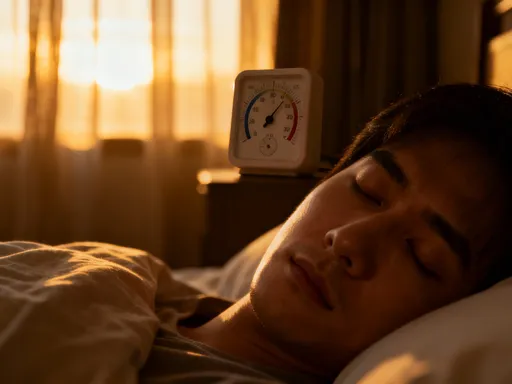
Many women describe a frustrating pattern: they feel exhausted by evening, yet the moment their head hits the pillow, their mind wakes up. Racing thoughts, worries, and mental replay of the day’s events keep them awake, leading to fragmented sleep and morning fatigue. This cycle is not just a nuisance—it’s a major barrier to healing. Sleep is not passive downtime; it is active repair time for both brain and body.
During deep sleep, the brain clears out metabolic waste through the glymphatic system, a process critical for cognitive function and emotional regulation. Hormones like cortisol and melatonin are rebalanced, and tissues undergo repair. But when anxiety disrupts sleep architecture—particularly the deep, slow-wave stages—this restoration is compromised. The result is a body that never fully recovers, and a mind that remains on high alert.
Improving sleep quality starts with consistency. Going to bed and waking up at the same time every day, even on weekends, helps regulate the body’s internal clock. Reducing blue light exposure in the evening is equally important. Devices like phones, tablets, and televisions emit light that suppresses melatonin production, delaying sleep onset. Switching to warm, dim lighting and avoiding screens at least one hour before bed can make a noticeable difference.
Temperature also plays a key role. The body’s core temperature naturally drops at night to initiate sleep. Taking a warm bath 1–2 hours before bed can enhance this process—the initial warmth followed by cooling after getting out mimics the body’s natural temperature shift, promoting drowsiness. Keeping the bedroom cool, around 65°F (18°C), supports this process. Once I prioritized sleep, my morning anxiety dropped by half. I no longer woke up with that heavy sense of dread. Instead, I felt grounded, more capable of handling the day’s challenges. Sleep is not a luxury—it is foundational to mental and physical health.
What You Eat (and Don’t Eat) That Fuels or Fights Anxiety
The connection between diet and mood is no longer speculative—it is well-supported by science. The gut and brain are in constant communication through the gut-brain axis, a complex network involving nerves, hormones, and immune signals. The trillions of microbes in the gut influence neurotransmitter production, including serotonin, about 90% of which is made in the digestive tract. When the gut is inflamed or imbalanced, it can send distress signals to the brain, contributing to anxiety and low mood.
What you eat directly shapes this environment. Diets high in processed foods, refined sugars, and unhealthy fats promote inflammation and disrupt the microbiome. These foods cause blood sugar spikes and crashes, which can mimic or worsen anxiety symptoms—shakiness, irritability, and mental fog. Excess caffeine, common in coffee, energy drinks, and some teas, overstimulates the nervous system, increasing heart rate and jitteriness, making it harder to relax.
On the other hand, whole, nutrient-dense foods support both gut and brain health. Fiber-rich plants like leafy greens, vegetables, legumes, and whole grains feed beneficial gut bacteria, promoting a balanced microbiome. Omega-3 fatty acids, found in fatty fish, flaxseeds, and walnuts, have anti-inflammatory properties and are linked to lower anxiety levels. Fermented foods like yogurt, kefir, and sauerkraut introduce beneficial probiotics, which may improve mood and digestion.
Hydration is another often-overlooked factor. Even mild dehydration can impair concentration, increase fatigue, and heighten stress perception. Drinking enough water throughout the day—starting with a glass upon waking—supports cognitive function and helps regulate appetite and energy. Simple dietary shifts, like swapping sugary snacks for fruit and nuts, choosing whole grains over refined ones, and drinking herbal teas instead of extra coffee, can have a cumulative calming effect. These changes are not about perfection, but about creating a body environment that supports calm rather than chaos.
Daily Micro-Habits That Build Long-Term Resilience
Healing from chronic anxiety is not about dramatic overhauls or extreme regimens. Lasting change comes from consistency, not intensity. Small, sustainable habits, practiced daily, create a foundation of resilience that buffers against stress. These micro-habits may seem insignificant on their own, but over time, they rewire the nervous system, improve mood, and enhance physical well-being.
Morning sunlight exposure is one such habit. Just 10–15 minutes of natural light within an hour of waking helps regulate the circadian rhythm, boosting alertness during the day and improving sleep at night. It also supports serotonin production, a neurotransmitter linked to feelings of well-being. Simply stepping outside with your morning tea or opening the blinds wide can make a difference.
Gratitude journaling is another powerful practice. Taking a few minutes each evening to write down three things you’re grateful for shifts attention away from what’s lacking or stressful and toward what’s already good. Research shows this simple act can reduce cortisol levels, improve sleep, and increase emotional resilience. It doesn’t require long entries—just a few honest notes, like “the smell of fresh coffee,” “my daughter’s laugh,” or “a quiet moment before the house woke up.”
Mindful pauses throughout the day also help. These are brief moments of awareness—pausing to notice your breath, feel your feet on the floor, or listen to the sounds around you. They don’t require meditation cushions or special training. They can happen while waiting for the kettle to boil, standing in line, or walking from the car to the house. These pauses interrupt the autopilot mode of stress and bring you back to the present. Over time, they build a sense of inner stability, even when external demands are high. The key is integration, not perfection—finding ways to weave these habits into your existing routine without adding pressure or guilt.
When to Seek Help: Knowing the Limits of Self-Care
While self-guided practices can be profoundly healing, they are not a substitute for professional care. There is strength in recognizing when you need support beyond what home strategies can provide. Anxiety that interferes with daily functioning—difficulty getting out of bed, persistent panic attacks, or inability to concentrate—may require evaluation by a healthcare provider.
Therapy, particularly cognitive behavioral therapy (CBT), has strong evidence for treating anxiety. A trained therapist can help identify thought patterns, develop coping skills, and process underlying emotional triggers. In some cases, medication may be appropriate, especially when anxiety is severe or accompanied by depression. The decision to use medication should be made in consultation with a doctor, not out of shame or fear, but as part of a comprehensive care plan.
It’s also important to rule out medical conditions that can mimic or worsen anxiety, such as thyroid disorders, hormonal imbalances, or vitamin deficiencies. A simple blood test can provide clarity and guide treatment. Seeking help is not a sign of failure—it is an act of self-respect. Just as you would see a doctor for a persistent physical ailment, mental and emotional health deserve the same attention and care.
Self-care and professional support are not opposites—they are partners in healing. The tools outlined in this article are designed to empower, not to replace. They give you agency in your recovery, while leaving space for expert guidance when needed. Healing is not about doing everything alone; it’s about using every resource available to restore balance and well-being.
Conclusion
True anxiety relief isn’t about quick fixes—it’s about honoring your body’s need for balance, safety, and repair. Every breath, step, and choice can become part of a quiet rebellion against chronic stress. This journey taught me that healing isn’t linear, but with the right tools, it’s always possible. You’re not broken—you’re rebuilding.