How I Tamed My Blood Sugar Without Overthinking It
Managing blood sugar doesn’t have to feel like a constant battle. For years, I ignored the signals—fatigue, cravings, mood swings—until a routine check revealed my numbers were creeping up. That wake-up call changed everything. I started paying attention to simple health indicators, made small shifts in daily habits, and saw real improvements. This isn’t about perfection—it’s about progress. What if better control was less about strict rules and more about smart, sustainable choices?
The Moment I Knew Something Had to Change
It wasn’t a crisis, not exactly. There was no emergency room visit, no dramatic collapse. It was a regular physical, the kind many people schedule and then reschedule, pushing it off until the calendar finally forces the appointment. I went in for blood work, expecting the usual: a reminder to drink more water, maybe a nudge to exercise. Instead, the results carried a quiet urgency. My fasting glucose level was above the normal range. Not high enough to be classified as diabetes, but firmly in the prediabetes zone—a term I’d heard but never thought applied to someone like me.
At first, I downplayed it. I told myself it was a fluke, maybe from the pancakes I’d eaten the morning of the test. But the numbers were backed by symptoms I’d been ignoring for months. The afternoon crashes—where by 3 p.m., I’d feel mentally foggy and physically drained—were no longer occasional; they were predictable. My cravings for sweets weren’t just desires; they felt like compulsions. I’d reach for candy or a sugary coffee just to make it through the workday, only to crash again an hour later. My mood swung more than I cared to admit, often tied to what and when I’d last eaten.
What struck me most was how easily I’d normalized these patterns. Like many women in their 40s and 50s, I’d chalked it up to stress, busy schedules, or just aging. But the blood test was undeniable evidence that my body was struggling to manage glucose effectively. Ignoring these signs wasn’t just inconvenient—it carried long-term risks. Prediabetes, if left unaddressed, often progresses to type 2 diabetes, which increases the likelihood of heart disease, nerve damage, and other serious health issues. The real shift came when I stopped seeing this as a personal failure and started viewing it as a signal—a message from my body that something needed adjusting.
That moment of clarity moved me from denial to determination. I wasn’t looking for a quick fix or a drastic diet. I wanted sustainable changes that fit into real life—changes that didn’t require giving up joy or spending hours in the kitchen. I began by tracking how I felt throughout the day, noting energy dips, cravings, and mood shifts. This simple act of awareness laid the foundation for everything that followed. It wasn’t about fear; it was about listening.
Understanding Blood Sugar: What Your Body Is Actually Telling You
Blood sugar, or glucose, is the primary fuel your body uses for energy. Every time you eat, especially carbohydrates, your digestive system breaks them down into glucose, which enters the bloodstream. In response, your pancreas releases insulin—a hormone that acts like a key, unlocking your cells so they can absorb glucose and use it for energy. When this system works smoothly, your blood sugar rises and falls in a steady, controlled way. But when it’s disrupted, problems begin.
Stable blood sugar isn’t just important for preventing diabetes. It affects nearly every aspect of daily well-being. When levels spike too high, you may feel jittery, anxious, or overly hungry. When they crash, fatigue, irritability, and brain fog set in. These fluctuations can disrupt sleep, weaken immunity, and even contribute to weight gain, particularly around the abdomen. Over time, repeated spikes and crashes can lead to insulin resistance, where cells stop responding well to insulin, forcing the pancreas to produce more. This cycle, if unchecked, can eventually lead to type 2 diabetes.
Modern lifestyles often work against this delicate balance. Many diets are high in refined carbohydrates—white bread, pastries, sugary drinks—that cause rapid glucose spikes. Meals are often unbalanced, lacking fiber, protein, or healthy fats that help slow absorption. Add to that long periods of sitting, chronic stress, and inconsistent sleep, and it’s no wonder so many people struggle with energy and cravings. The body wasn’t designed for constant glucose surges; it evolved to handle steady, moderate fuel sources.
One of the most important realizations was that blood sugar management isn’t just about avoiding sugar. It’s about how and when you eat, how active you are, how well you sleep, and how you handle stress. It’s a whole-body system, not just a number on a lab report. Understanding this shifted my perspective from restriction to support. Instead of thinking, “What can’t I eat?” I began asking, “What can I do to help my body function better?” This subtle change in mindset made all the difference.
The 3 Daily Habits That Made the Biggest Difference
After learning more about how blood sugar works, I focused on changes that were simple, sustainable, and backed by science. I didn’t overhaul my life overnight. Instead, I adopted three key habits that, over time, had a profound impact on my energy, cravings, and overall well-being.
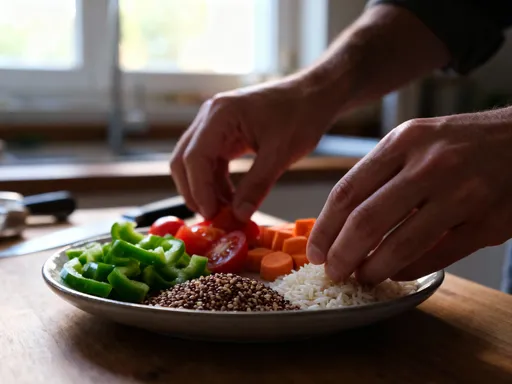
The first was changing the order in which I ate my meals. Research shows that eating fiber-rich foods—like vegetables, salads, or legumes—before carbohydrates can significantly reduce the glucose spike after a meal. For example, if I was having rice and chicken with broccoli, I’d eat the broccoli first, then the chicken, and save the rice for last. This simple switch helped my body process glucose more slowly, preventing that rapid surge and subsequent crash. I didn’t have to eliminate carbs; I just had to sequence them wisely. Even on busy days, this was easy to implement—no special recipes or prep required.
The second habit was incorporating short movement breaks after eating. Just 10 to 15 minutes of walking—after breakfast, lunch, or dinner—can help muscles absorb glucose from the bloodstream, lowering post-meal spikes. I started taking a walk around the block after dinner, or pacing while on phone calls after lunch. On days when I couldn’t go outside, I’d do light stretching or march in place while watching TV. The key wasn’t intensity; it was consistency. Over time, I noticed that my afternoon energy improved, and my cravings diminished. Movement didn’t have to be a workout to be effective—it just had to happen.
The third habit was prioritizing sleep. I’d always known sleep was important, but I didn’t realize how directly it affects insulin sensitivity. Poor or inconsistent sleep can make cells less responsive to insulin, leading to higher blood sugar levels. I began setting a regular bedtime, reducing screen time before bed, and creating a calming nighttime routine—like reading or drinking herbal tea. Even small improvements in sleep quality made a noticeable difference in how I felt during the day. I had more mental clarity, fewer cravings, and a greater sense of balance.
These three habits didn’t require perfection. Some days, I forgot to eat vegetables first. Some days, I skipped the walk. But because they were simple and flexible, I could return to them easily. Over weeks and months, the cumulative effect was clear: my energy was steadier, my moods more stable, and my follow-up blood tests showed improvement. Progress wasn’t linear, but it was real.
Hidden Triggers Hiding in Plain Sight
As I became more aware of my patterns, I started noticing factors I hadn’t considered before. These weren’t obvious culprits like soda or dessert—they were subtle, everyday influences that quietly affected my blood sugar.
One of the biggest was stress. When I was under pressure at work or dealing with family demands, I noticed my cravings increased, especially for sugary or starchy foods. I later learned that stress triggers the release of cortisol, a hormone that signals the liver to release stored glucose into the bloodstream. This was useful in ancient times when stress meant running from danger, but in modern life, it just leads to excess glucose with no physical outlet. Without realizing it, chronic stress was contributing to higher baseline blood sugar levels. To manage this, I began incorporating small stress-reducing practices—like deep breathing, journaling, or taking short breaks during the day. These didn’t eliminate stress, but they helped my body recover from it more quickly.
Another overlooked factor was hydration. When the body is dehydrated, blood volume decreases, which can concentrate glucose in the bloodstream, leading to higher readings. I started paying attention to how much water I was drinking and made it a habit to have a glass first thing in the morning and with each meal. I also noticed that sometimes, what I thought was a sugar craving was actually thirst. By drinking water first, I could often wait 10 minutes and find the craving had passed.
Meal timing also played a role. Skipping breakfast, which I sometimes did when rushed, often led to overeating later in the day and sharper glucose spikes at lunch. Eating within an hour or two of waking helped stabilize my metabolism. I didn’t need a large meal—just something balanced, like yogurt with berries or eggs with toast. Similarly, eating dinner too late or going too long without eating could trigger nighttime cravings or disrupt sleep.
I didn’t need expensive devices or apps to track these patterns. I simply started paying attention—writing notes, noticing trends, and adjusting accordingly. This self-monitoring wasn’t about obsession; it was about awareness. By identifying these hidden triggers, I gained more control, not less.
Why Small Wins Build Long-Term Control
One of the most liberating realizations was that perfection wasn’t the goal. In fact, chasing perfection often backfired. When I tried to follow rigid rules—cutting out all carbs, exercising for an hour every day—I’d inevitably slip up, feel discouraged, and give up. What worked better was focusing on consistency, not intensity.
Small, repeated actions create lasting change. Eating vegetables first at most meals, taking a short walk after dinner, drinking more water—these weren’t dramatic gestures, but they added up. Each success, no matter how minor, built confidence. And with confidence came better choices. When I felt more energy, I was more likely to cook a healthy meal. When I slept better, I craved less sugar. These positive feedback loops made healthy habits self-reinforcing.
I also learned to break the all-or-nothing mindset. Just because I ate dessert at a birthday party didn’t mean the whole day was ruined. I could still eat a balanced dinner and go for a walk afterward. Health wasn’t a pass-fail test; it was a series of daily decisions. Tracking progress wasn’t just about numbers on a scale or lab report—it was about how I felt. Did I have steady energy? Was I sleeping well? Was I more patient with my family? These were valid measures of success.
Over time, these small wins reshaped my relationship with food and health. It wasn’t about deprivation; it was about nourishment. It wasn’t about control; it was about care. And that shift in perspective made all the difference.
When to Seek Help: Knowing the Limits of Self-Management
While lifestyle changes can have a powerful impact, they aren’t a substitute for medical care. There were moments when I wondered if I should be doing more, or if my efforts were enough. That’s when I learned the importance of working with healthcare providers.
Regular check-ups and lab work are essential. They provide objective data that self-monitoring can’t. I continued to get blood tests every six months to track my fasting glucose, HbA1c (a measure of average blood sugar over time), and other markers. These results helped me see trends and adjust my approach when needed. My doctor also checked for other factors—like cholesterol and liver function—that can be affected by blood sugar imbalances.
There are times when lifestyle changes alone aren’t sufficient. Some people may need medication to manage blood sugar effectively, especially if insulin resistance is advanced. The goal isn’t to avoid medication at all costs; it’s to support overall health in every way possible. Working *with* a doctor—sharing what changes I’d made, asking questions, being honest about challenges—helped me feel supported, not judged.
This journey wasn’t about replacing medical advice; it was about complementing it. My habits gave me more control, but professional guidance ensured I wasn’t missing anything. It was a partnership—one that honored both personal agency and medical expertise.
Redefining Success: From Fear to Empowerment
Looking back, the most important shift wasn’t in my numbers—it was in my mindset. I used to see blood sugar as something to fear, a ticking clock I was powerless to stop. Now, I see it as a valuable indicator, a way my body communicates its needs. It’s not the enemy; it’s an ally.
Success no longer means never eating sugar or never having a craving. It means responding with awareness and kindness. It means building a lifestyle that naturally supports balance—where healthy choices feel effortless because they’re woven into daily routines. It means feeling strong, clear-minded, and in tune with my body.
I’ve learned to encourage awareness without obsession. I don’t weigh myself daily or track every bite. I listen—when I’m tired, when I’m hungry, when I’m stressed—and respond with care. Health isn’t about fear of disease; it’s about daily well-being. It’s about showing up for yourself, one small choice at a time.
For anyone who’s received a wake-up call like I did, know this: you’re not alone, and you’re not too late. Small, sustainable changes can lead to real progress. Your body is resilient. And every step you take toward balance is a step toward a healthier, more vibrant life. Listen with kindness. Act with intention. And trust that progress, not perfection, is the true measure of success.